Wednesday, September 14, 2016

Guayaquil - Iguanas and Malecon 2000

Guayaquil Cathedral

Guayaquil is Ecuador's largest city and unfortunately it has a reputation for being dangerous, however recent development by the city has made it much safer for tourists.
One thing that I noticed here is that unlike other south American cities, the central part was completely deserted at night. Owing, I was told, to the fact that it was very dangerous after dark.

The city has developed the once dangerous dock area into the Malecon 2000 - a boardwalk along the river filled with shops and bars.

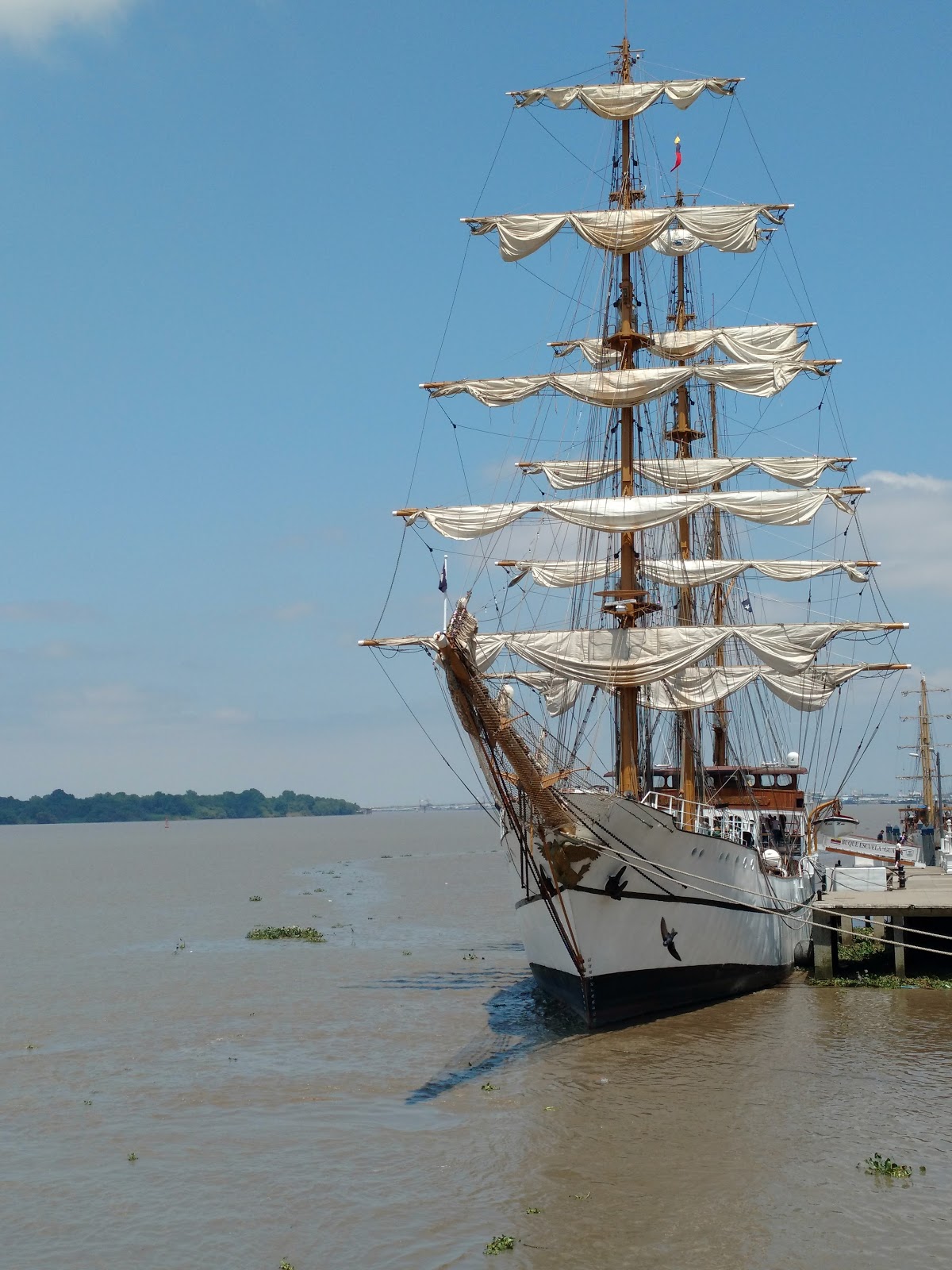
One of the tall ships docked at Malecon

The Malecon leads all the way to the historic Peñas barrio.

Las Peñas from Malecon

The Peñas barrio contains many buildings from the colonial period, many of which have been turned into bars - making it a very live area, especially at night.

Historic street in Las Peñas

There are over 400 steps to the lighthouse at the top of the hill.

The steps in Las Peñas

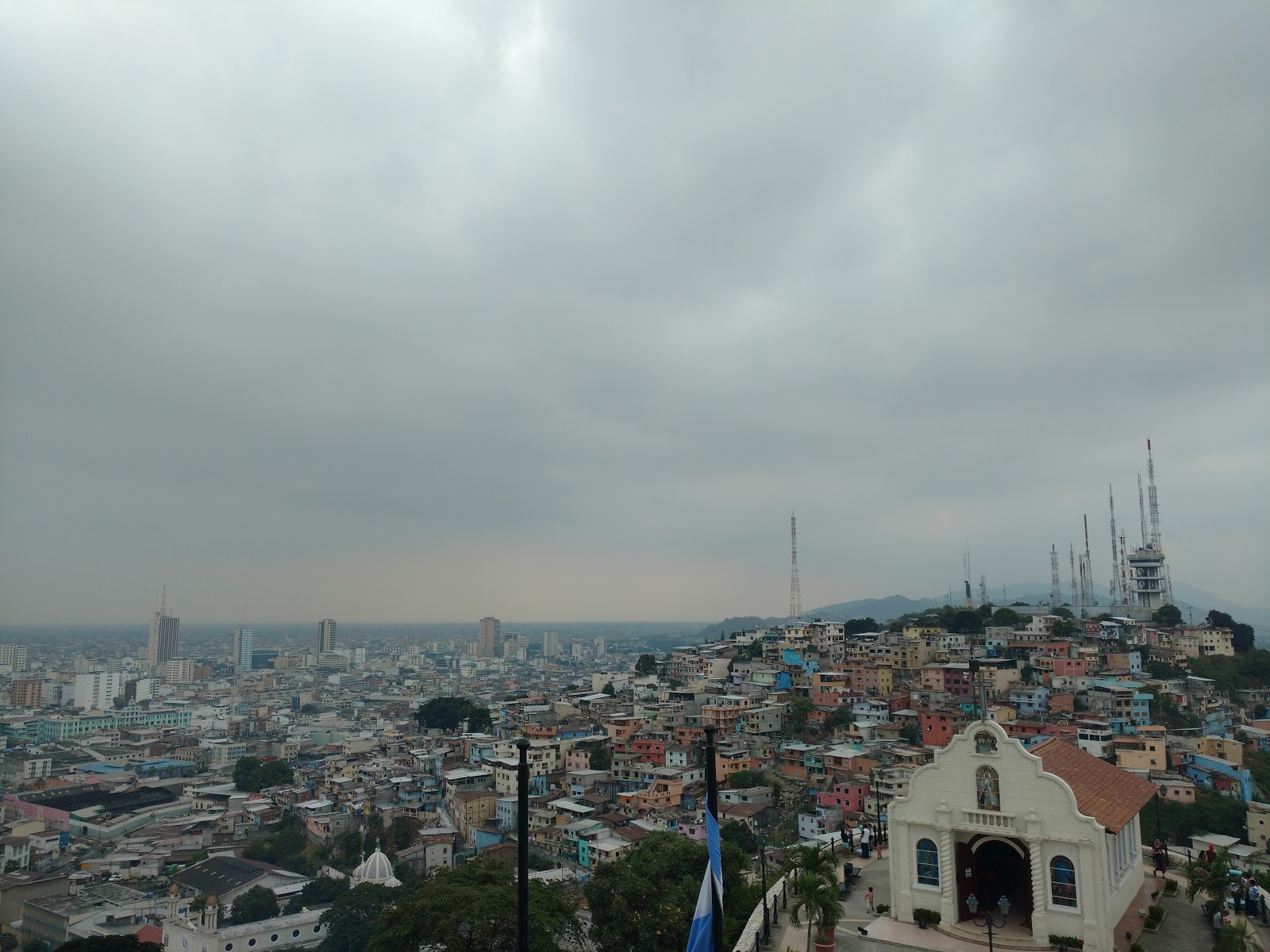
And from here you can get a panoramic view of the city.

Guayaquil from Las Peñas

Another view of Guayaquil from Las Peñas

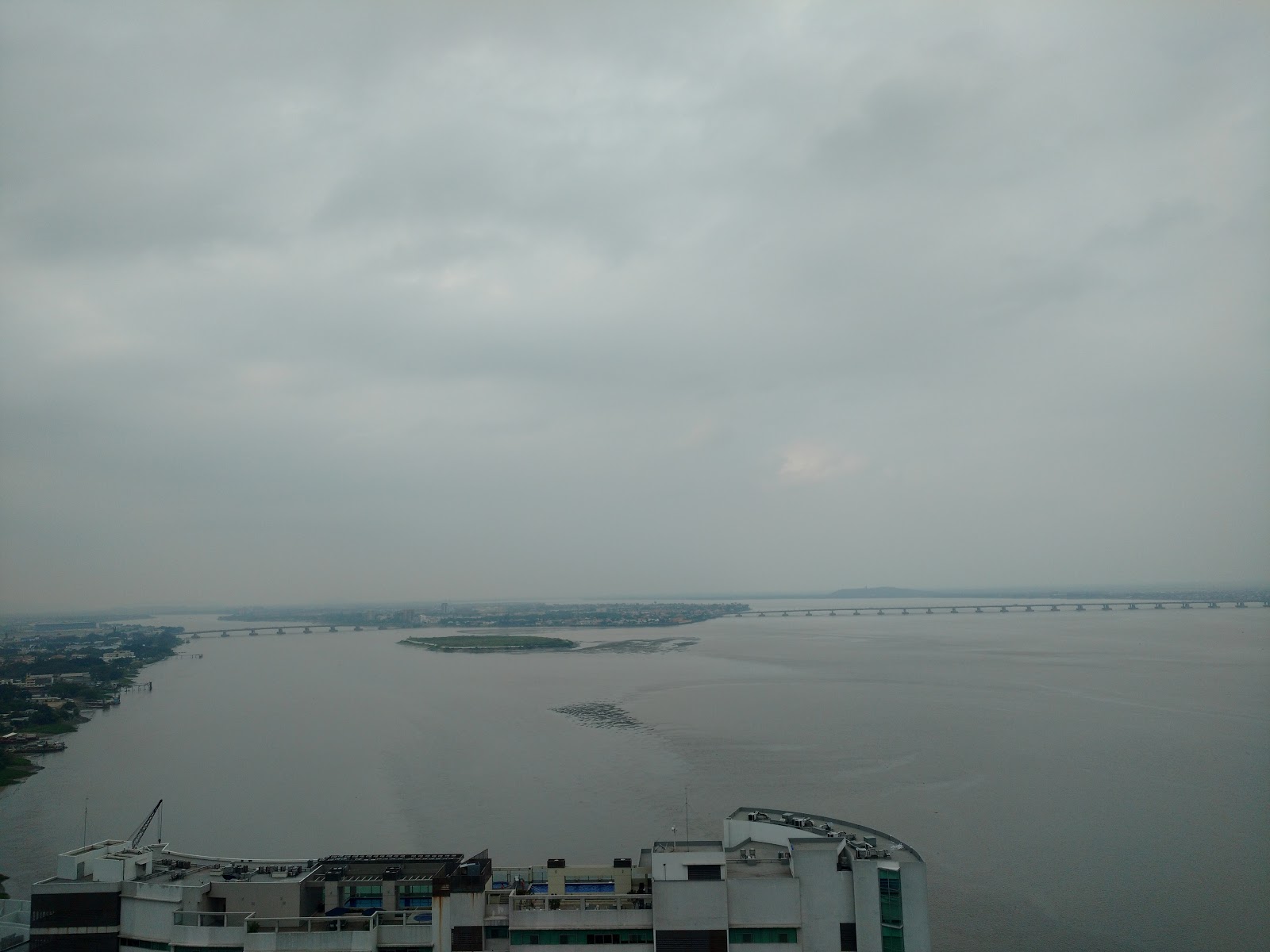
The river from Las Peñas

Also in Guayaquil is the Iguana park where many iguanas run freely through the gardens

An Iguana

And the trees

Iguanas in the trees

The park also has a band shell in which the local police band played while I was there, sparking a fiesta in the park

A fiesta

The newer parts of Guayaquil consisted mainly of gated communities and soulless shopping centres, however in these areas there were many bars and restaurants that played live music and had a good atmosphere, but sadly, they could've been bars anywhere in the world. 

Malecon 2000 and Las Peñas really were the only places worth visiting in Guayaquil.

Wednesday, September 7, 2016

The beaches of Northern Perú

Sunset at Mancora beach

Along the North coast of Perú are several beach towns where you can relax and enjoy swimming in the pacific.

The main town in this region is Piura. This town isn't on the coast but it boasts some interesting colonial architecture in its Plaza de Armas.

The Cathedral in Piura

Inside the Cathedral

Close by is the small town of Catacos which has a large, vibrant market which is worth traveling to 

Catacos market

The Cathedral at Catacos

Also close by to Piura is the beaches of Paita, which is a very nice place to chill out on the beach.

Paita beach

The nicer beach further down the coast

However, further up the coast is the town of Mancora which has many beaches close to the town. There's not a lot in the town itself, but it's more than made up for by its beaches. This was my last stop in Perú and a relaxing place to end my journey through the country.

Sunset at Mancora beach

Another beautiful sunset for my last night in Peru


Sunday, September 4, 2016

Trujillo and the ruins in the desert

Plaza de Armas In Trujillo

Trujillo is a small town around 11 hours by bus north of Lima. The centro histórico of the town contains some beautiful examples of colonial architecture.

The Cathedral

Another shot of the Cathedral

The Monasterio del Carmen

And a pedestrian walkway through the middle of the old city.

Jirón Francisco Pizarro

The gate at Plaza El Recreo

However the main attraction in Trujillo is the ruins of the Huacas of the Moon and the Sun in Moche district and the ruins at Chan Chan.

The Moche civilisation was a pre-inca civilisation existing from 100CE to 800 CE. There are two main temples in the ruins with the remains of the town between. They lie at the base of the Cerro Blanco - a mountain sacred to the Moche, and the burial place for their human sacrifices.

Cerro Blanco

The huaca del Sol is the biggest ruin but is inaccessible because looting and erosion have significantly damaged the structure. It was once the seat of political power in Moche.

Huaca del Sol

The ruins of the village of Moche

The huaca de la Luna was the religious centre of the Moche and it is relatively well preserved. It was in this temple that the Moche made human sacrifices. 

The method by which the sacrifices were chosen was a system if ritual combat. The two warriors would fight each other until one removed the helmet of the other. The loser was then stripped naked and paraded in front of the town in the manner of a captured enemy. All the possessions of the loser became the property of the winner and the loser was then sacrificed.

The place where the sacrifices occurred

The walls of the ruins are decorated with depictions of serpents and spiders representing the wet and dry spells of the el niño weather events.

Decorated walls in the temple

Another decorated wall

And depictions of their gods.

A depiction of Al Paec - God of the Sun, War and human sacrifice

The other major archaeological site in Trujillo is the ruins of another civilisation - Chan Chan.

There are 9 palaces at Chan Chan. Each time a ruler would die, the palace would be closed and turned into a tomb - and a new one built to house the new ruler. 

Only one of the palaces has been excavated, however it's an impressive structure surrounded by a 12m wall.

The wall surrounding the palace

The palace consists of several distinct areas - from the throne room

The throne

Decorations on the walls

Depictions of fishes and the changing currents in the sea

To administrative areas

The tax collection area and storehouse

To an ingenious water saving system - a bore and rainwater capture

The reservoir

To the tomb of the king which finally closed the palace forever.

The king's tomb


Sunday, August 28, 2016

Iquitos: The river and the jungle

The Amazon River from Iquitos

Iquitos is a city In the far North of Perú on the Amazon river. It can only be reached by plane or boat as there are no roads connecting it to the rest of Perú. There's not all that much in the city itself as the main attraction is the Amazon river and jungle.

The Iquitos church

In the main square there are plenty of people who try to sell you trips to the Amazon - with various prices and itineraries. Shop around not just for the price but for the specific activities you want - many places will tailor something for you. I chose a trip heavy on trekking and animal watching and less on "Authentic" Amazonian artisanal markets.

My trip started with a two hour boat trip down the Amazon river until we turned into one of the many tributaries.

A tributary of the Amazon

The accommodation was basic but functional and was right on the edge of the river and the jungle.

The forest lodge

From here we started many treks into the jungle.

Our first foray into the Amazon Jungle to try and spot some wildlife. Sadly, despite braving swarms of hyper aggressive mosquitoes, we only saw a few curious monkeys.

Curious Monkey


Monkey in the tree

Thankfully, when we went out at night we were able to spot quite a few more animals (and mosquitoes - swarms of them).

Black Scorpion

Another Black Scorpion

Bullfrog

Another Bullfrog

Catapillar

Forest rat

Tarantula

The next couple of days were spent on the river: swimming, mud bathing (which was surprisingly fun despite mud getting *everywhere*), fishing (I caught a sardine - yay me) and watching the grey and pink river dolphins. Sadly I wasn't lucky enough to photograph them, but the river was still beautiful.

Birds on the river

Sunset

Sun over the river

The next day we went trekking in the jungle again looking for sloths. And, we found them.

Sloth in a tree

And some other interesting things

Lily pond

Ant nest on a tree

After two days in the jungle I headed back to Iquitos.

Amazon river

I was determined to see more Amazonian animals so I organised to visit a local animal sanctuary. The sanctuary could only be reached by boat from the far end of town - a somewhat sketchy area, however, I took a mototaxi to the dock and bought a snack at the local market.

Didn't go back for seconds

Before negotiating a boat trip to the sanctuary.

The little, possibly seaworthy boat

The sanctuary housed many different animals that had been found sick or injured or had been taken illegally from the Amazon. 

Tortoises

Anaconda

Macaws

Sloths

Happy sloth

After the sanctuary we stopped at a floating restaurant for lunch

Floating Restaurant

And then headed back to Iquitos to watch the moon rise over the Amazon.

Moonrise over the Amazon